CLK-01 · Public records
Searching filings held by Georgia superior court clerks
The Georgia Superior Court Clerks’ Cooperative Authority runs one search site for filings held by superior court clerks, and this page tells you how that system, its free alert service and its paid tiers fit together.
Published 6 September 2026 · The Georgia Records Desk editorial team
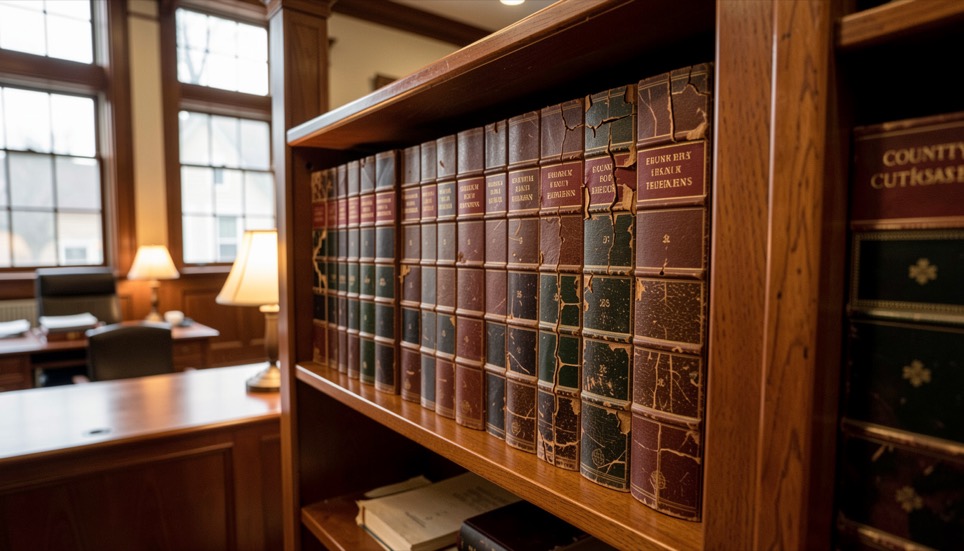
One front door for many county offices
Superior court clerks hold the filings that come through their offices. Searching them office by office would be slow work. The Georgia Superior Court Clerks’ Cooperative Authority, known as GSCCCA, exists to solve exactly that problem: it is the operation behind a single website where the clerks’ records can be searched.
The Authority’s own homepage puts it plainly: “It’s All Here!” The site is pitched as the place where the clerks’ holdings can be reached from one address rather than scattered across separate systems. The homepage does not publish a catalog of which record types sit in the index, so you will not find that list on the page this article is built from. To see the actual coverage, you open the search menus on the site itself rather than looking for a document describing them.
What the search tiers cost?
Searching is not a single uniform product here. GSCCCA sells access in packages, and the homepage carries a notice about pricing that takes effect July 1, 2025: “the Regular account monthly subscriber fee will be $14.95 and Premium will be $29.95.” That is the full wording of the pricing notice on the page we read. It names two account levels and one monthly price for each.
The homepage does not spell out everything a Regular account includes, and it does not list any pay-per-search or per-document fee. What it does say is that the Premium Search package “provides unlimited access to the GSCCCA website,” built on the basic search options and adding “additional searches and features, such as the much-requested Address Search.” So the working distinction is this: basic searching on one tier, unlimited use plus extra search types on the other.
Subscriber fees at a glance
Only two figures appear in the pricing notice, and they belong in one small comparison.
| Account | Monthly fee |
|---|---|
| Regular | $14.95 |
| Premium | $29.95 |
Watching filings that name you
Beyond searching on demand, GSCCCA runs a monitoring service called the Filing Activity Notification System, shortened to FANS. The homepage promotes it with the line “FANS is live and FREE!”, and describes its purpose in one question and answer: “Want to monitor filings relating to you? See what the Filing Activity Notification System (FANS) can do!”
In practical terms, this is a watch on your own name rather than a research tool. The homepage does not describe how the monitoring works, how alerts reach you, how quickly, or what kinds of filings trigger them; those details live with the service itself. For more information, the homepage points to fans.gsccca.org.
This service is worth a moment of attention from anyone managing a property interest or an estate, because it turns a one-time lookup into ongoing coverage. It is free, which sets it apart from the subscriber tiers described above.
Who is the property search built for?
The homepage is candid about its audiences for property research. One item addresses “a real estate professional who needs comps in a flash” and “a curious homeowner who just wants to know how much the neighbor’s home sold for.” Those two sentences tell you the property side of the site is aimed at both working professionals and casual lookups, not only at title searchers.
For both groups, GSCCCA points to a tool called Map Search, described as a “new Map Search app” that “brings these possibilities to your mobile devices.” The homepage does not state which platforms the app runs on, whether it carries its own fee, or which record fields it displays. It exists, it is aimed at phones and tablets, and it is the Authority’s answer to property questions asked on the go.
Learning the site before you pay for it
GSCCCA also publishes short demonstrations of its own tools. The homepage advertises a session on using a mobile device “to search and view images on our website,” framed as “a brief, yet informative demonstration.” If you have never used a record site that shows images of filings, a walkthrough like this saves guessing.
The Premium Search item on the homepage carries a similar self-description: the Authority says it has been “listening” to users, and that the Address Search feature was “much-requested.” That is the site’s own account of why the paid tier grew, and it is all the page says on the subject.
Reaching a human at the Authority
When a search raises a question the site cannot answer, the homepage advertises a support channel: “Try our Live Chat today. Click on the ‘Chat with Customer Support’ bubble at the bottom right of our Contact page.” That instruction is the whole of what the page says about getting help, and it is more specific than most offices manage: a named feature, on a named page, in a named corner of the screen.
The homepage does not list phone hours, a street address for walk-in help, or an email box. If your question is about a specific county filing rather than the shared search, the page gives no routing advice; it points to the chat channel and stops there.
How this page fits the rest of the desk
This article is one entry in a routing guide, not a legal manual. GSCCCA is the machinery behind the clerks’ shared search; other entries cover different doors. If your question is less about searching filings and more about forcing an office to hand over a document, start with how a Georgia open records request works and the companion page on what a request costs. For the broader map of which state office publishes which file, see the offices that publish. Recorded restrictions on a parcel are a neighboring read: what a covenant filed in the property books still does.
The facts above were taken from the GSCCCA homepage, and nothing outside that page has been added. Your concrete next move: open the GSCCCA site, look at the search menus to see which record types the index actually covers, and if filings under your own name are the concern, visit fans.gsccca.org for more information before doing anything else. The Georgia Records Desk editorial team.
Two later entries use the same recorded-file reading on specific parcels: what the county file says about a rural parcel and what the recorded plat limits on a residential lot. The Cooperative Authority index covers filings held by Georgia superior court clerks, and the deadlines attached to those filings come from Georgia law. A reader who wants to see how the same stages are ordered somewhere else can follow a civil case in another state, which traces a Mississippi civil case from the complaint and discovery through trial and appeal and points to where the rules and statutes are published. The two pages answer different questions: this one locates a filing, the other explains the path a case takes.
Built from Georgia Superior Court Clerks’ Cooperative Authority: https://www.gsccca.org/. Page read on 5 September 2026. Official pages change: check the source before you rely on a figure.