PAY-01 · Money on the record
The printed records a workplace keeps
Behind every paycheck sits a small archive the employer was required to create: time cards, badge logs, overtime approvals and the payroll register itself. How long that paper must survive is a scheduled question, not a matter of tidiness.
Published 6 September 2026 · The Georgia Records Desk editorial team
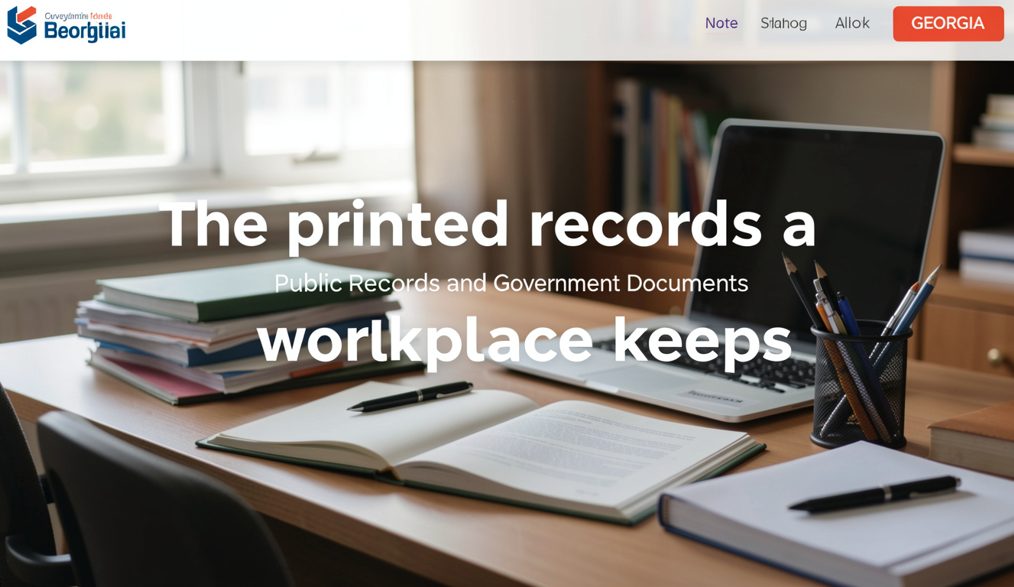
The paycheck is the last document, not the only one
What lands in a bank account is the output of a chain of records: hours captured on a time card or badge reader, exceptions approved in writing, and the register where those hours become wages, withholdings and net pay. Each document exists to make the next one checkable.
The print trade still supplies much of that paper. A shop producing time cards, badge holders and business forms is selling the front end of a retention obligation, because every card it prints is a record someone may have to produce years later.
Which records does a schedule cover?
A retention schedule names record series and says how long each must be kept. For employers, the covered series typically include the time records that establish hours worked, the payroll register that establishes what was paid, tax filings and the personnel file around them. The schedule, not the office manager, decides when any of it may be destroyed.
Georgia applies the same idea to public bodies: the Archives publishes retention schedules that tell agencies how long each series must survive. The method is identical in kind to what wage and hour rules demand of a private payroll; only the enforcing authority differs.
Why are time records treated as money records?
Because they are. A time card is not an attendance note; it is the evidence a wage was computed correctly, and in a dispute it is the first document asked for. The register says what was paid; the card says why that number was owed. A business that keeps one without the other holds an answer with no question attached.
This is the same logic this guide applies to published budget documents: the total means little without the lines that built it.
Who may read these records?
Inside a private company, payroll and personnel records are restricted by policy and by privacy law; they are not public records and no open records request reaches them. Inside a government office the balance shifts: expenditure records are public, but the personal details inside a personnel file are protected by the same Act that opens the ledgers.
Georgia’s open government guidance lists the exemptions that keep home addresses and personal data out of a produced file, which is why the cost of a request sometimes includes redaction labor.
What happens when the paper outlives the firm?
When a business closes, its scheduled records do not become trash; payroll and tax records remain answerable to the agencies that required them. For older or defunct employers, surviving registers occasionally end up in archives as business collections, where they document wages and working life long after the firm is gone.
The desk treats such collections like any register: a document is worth what can be checked against it, a point the companion page on a ledger kept as a record makes in a different trade.
What georgiaarchives.org is
Georgia Archives is the state’s records repository, and its records management program publishes the retention schedules that bind public bodies. Those schedules are the public-sector version of the obligation every employer already carries for the paper behind a paycheck: named series, fixed lifetimes, and disposal only when the schedule allows it.
Built from Georgia Archives, records management: https://www.georgiaarchives.org/. Page read on 5 September 2026. Official pages change: check the source before you rely on a figure.